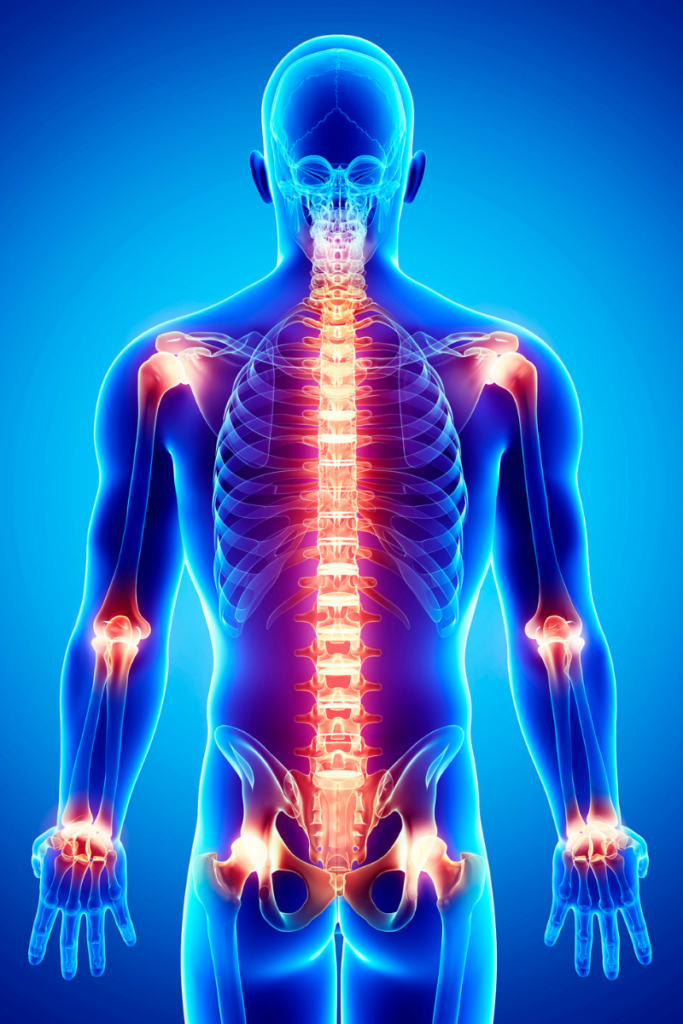

Ankylosing spondylitis (AS) is a progressive inflammatory condition that primarily affects the spine but can also impact other joints and organs. For many people in the UK living with AS, daily life becomes more difficult due to chronic pain, stiffness, and limited mobility. If you’re trying to understand whether ankylosing spondylitis is classed as a disability, and what forms of support you may be entitled to, this guide aims to provide the clarity you need.
We explore how AS is viewed in terms of disability status, what help is available through government benefits, how disability ratings work in the UK, and how people living with the condition may be eligible for things like the Blue Badge scheme, PIP, and even legal compensation if their symptoms were triggered or worsened by an accident.
Is Ankylosing Spondylitis Considered a Disability in the UK?
Yes, ankylosing spondylitis can be considered a disability under UK law. The Equality Act 2010 defines a disability as a physical or mental impairment that has a substantial and long-term negative impact on your ability to carry out normal daily activities. AS fits this definition when symptoms are significant and ongoing.
Not everyone with a diagnosis will meet the legal threshold, particularly in early stages, but many people with moderate to severe AS experience limitations that affect work, mobility, self-care and general quality of life. Because symptoms often include chronic back pain, spinal fusion, fatigue, and stiffness, daily activities such as standing, walking, and sitting for long periods can be seriously affected.
This classification matters, especially in employment and benefits settings, where your rights and entitlements may hinge on whether your condition is formally recognised as a disability.
What Benefits Can You Claim for Ankylosing Spondylitis in the UK?
There are several benefits and forms of support available to individuals who live with ankylosing spondylitis. Eligibility will depend on how your condition affects your day-to-day life and ability to work, rather than on the diagnosis alone.
Personal Independence Payment (PIP) is one of the most common benefits claimed by people with AS. PIP supports individuals with the extra costs of living with a disability and is awarded based on how your condition impacts daily living and mobility tasks. This includes walking, cooking, dressing, or managing medication. It is not means-tested and can be claimed whether you are working or not.
For those unable to work due to ankylosing spondylitis, Employment and Support Allowance (ESA) or Universal Credit (UC) may also be available, depending on financial circumstances. If you are employed but struggling to manage, you may be entitled to reasonable adjustments at work, or to Statutory Sick Pay (SSP) and Disability Living Allowance (DLA) for children under 16.
Some people with severe or progressive AS are also eligible for Attendance Allowance (if over pension age) or Industrial Injuries Disablement Benefit, where their condition was linked to physical labour or injury at work.
What is the Disability Rating for Ankylosing Spondylitis in the UK?
Unlike in the United States or other systems where a formal percentage-based “disability rating” is assigned, the UK does not issue a fixed rating for each medical condition. Instead, benefits and legal entitlements are based on how the condition affects an individual’s functional capacity.
However, medical professionals and decision-makers assessing claims (for PIP, Blue Badge, or legal compensation) may evaluate:
- The extent of spinal fusion
- The severity and frequency of flare-ups
- The effect of pain, fatigue or reduced mobility on your ability to live independently
- Whether you require aids, adaptations, or personal care support
Medical assessments or disability tribunals may reference guidance from the World Health Organisation or NHS-backed clinical tools, but ultimately, awards and benefits are tailored to each individual’s needs rather than assigned based on a rigid rating system.
Can You Get a Blue Badge for Ankylosing Spondylitis?
Yes, many people with ankylosing spondylitis are eligible for a Blue Badge, which provides parking concessions for those with limited mobility. This can make a significant difference when attending medical appointments, shopping, or managing daily errands.
Eligibility criteria include being unable to walk more than 50 metres without severe discomfort or needing to stop frequently. If your symptoms cause you to walk slowly, with pain, or only with the use of aids such as a stick or frame, you may qualify. In some cases, applicants with fluctuating conditions are asked to provide a supporting letter from a GP, rheumatologist, or physiotherapist.
Local councils administer Blue Badge applications in England and Wales, and decisions are made on a case-by-case basis. If you are refused initially, you may be able to appeal or reapply with further evidence.
How to Prove That Ankylosing Spondylitis is a Disability
In many scenarios, whether applying for benefits, a Blue Badge, or workplace support, you will need to show how AS affects your ability to function. This often means gathering evidence from:
- Medical professionals such as rheumatologists or GPs
- Specialist reports detailing the extent of spinal damage or limitations
- A diary or log of symptoms and flare-ups
- Statements from carers, employers, or occupational health advisors
Proving that AS is a disability isn’t always straightforward due to the fact the condition can vary day to day and lacks visible markers in some cases, claims are often underestimated. This is particularly true where symptoms include fatigue or reduced flexibility that isn’t immediately obvious to an assessor.
What if Ankylosing Spondylitis Was Caused or Worsened by an Accident?
While ankylosing spondylitis is primarily a genetic or autoimmune condition, there is growing clinical awareness that serious physical trauma, especially involving the spine or pelvis, may act as a trigger or accelerating factor in certain individuals. If you were involved in a road traffic accident or a workplace incident that led to significant spinal trauma, and you developed symptoms shortly afterwards, you may be able to link the onset of AS or a chronic pain condition to that event.
In such cases, compensation for Ankylosis Spondylitis may be available, particularly where medical evidence supports a causal link. These legal claims are entirely separate from government disability benefits and can help cover costs such as private medical care, mobility equipment, home adaptations, and loss of earnings.
At Brian Barr Solicitors, we specialise in serious injury and chronic pain claims, including those involving fibromyalgia, CRPS and ankylosing spondylitis. If you believe your condition was caused or aggravated by an accident that wasn’t your fault, it is worth seeking legal advice to explore your options.
Why Choose Brian Barr Solicitors
If ankylosing spondylitis has had a serious effect on your life, as a result of negligence and/or an accident, it is important to understand both your rights and your options for support. Brian Barr Solicitors is a Legal 500 Leading Firm as well as being listed in Chamber and Partners, with a proven track record of representing clients in complex disability and chronic pain cases.
We regularly take on claims that have been underappreciated by other firms, and we offer No Win No Fee arrangements in many cases. Our team understands that disability isn’t always visible, and that conditions like AS are often misunderstood. Whether you are applying for benefits, facing a workplace dispute, or pursuing compensation, we provide tailored, expert support to help you move forward.