Shoulder Injury

Shoulder Injury Compensation Claims

A shoulder injury can change the rhythm of your day in ways most people never expect.

Your shoulder injury may affect your sleep, as well as your ability to work or drive. If you are used to being independent, it can feel frustrating and unsettling to suddenly need support for things that used to be automatic.

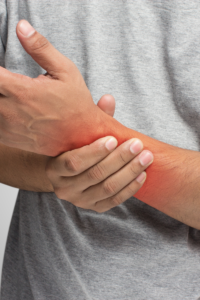
Some shoulder injuries improve with rest and physiotherapy, but some do not. A tear, fracture or dislocation can leave lasting weakness, stiffness or instability. In more serious cases, there may be nerve symptoms such as tingling, numbness, or reduced grip. As we use our shoulders for almost every reach, lift and twist, even an injury that seems minor at first can have a bigger impact than people expect.

If your injury happened because someone did not take reasonable care, you may be entitled to claim compensation. A claim can reflect both the injury itself, and the knock-on effects too, such as time off work, treatment costs, travel to appointments, and extra help at home while you recover.

At Brian Barr Solicitors, we support people with serious injuries and the families around them. We’re recognised for our specialist serious injury claims, including being named a Legal 500 Leading Firm for 2026 and ranked in the Chambers UK 2026 directory. We bring a careful, evidence-led approach to shoulder injury claims where the impact is significant, recovery is uncertain, or the injury risks being minimised.

If you are feeling overwhelmed, you are not alone. We will listen properly, explain your options clearly, and take the legal pressure off so you can focus on your recovery.

Your shoulder injury may affect your sleep, as well as your ability to work or drive. If you are used to being independent, it can feel frustrating and unsettling to suddenly need support for things that used to be automatic.

Some shoulder injuries improve with rest and physiotherapy, but some do not. A tear, fracture or dislocation can leave lasting weakness, stiffness or instability. In more serious cases, there may be nerve symptoms such as tingling, numbness, or reduced grip. As we use our shoulders for almost every reach, lift and twist, even an injury that seems minor at first can have a bigger impact than people expect.

If your injury happened because someone did not take reasonable care, you may be entitled to claim compensation. A claim can reflect both the injury itself, and the knock-on effects too, such as time off work, treatment costs, travel to appointments, and extra help at home while you recover.

At Brian Barr Solicitors, we support people with serious injuries and the families around them. We’re recognised for our specialist serious injury claims, including being named a Legal 500 Leading Firm for 2026 and ranked in the Chambers UK 2026 directory. We bring a careful, evidence-led approach to shoulder injury claims where the impact is significant, recovery is uncertain, or the injury risks being minimised.

If you are feeling overwhelmed, you are not alone. We will listen properly, explain your options clearly, and take the legal pressure off so you can focus on your recovery.

Read More

Am I Eligible to Make a Shoulder Injury Claim?

You can usually make a shoulder injury claim if your injury was caused by someone else’s negligence. In plain terms, that means a person or organisation with responsibility for your safety failed to take reasonable steps, and you were injured as a result.

To bring a claim, we normally need to show three things.

  • A duty of care: someone had a legal responsibility to take sensible steps to keep you reasonably safe. This could be an employer, a driver, a business that controls a public space, or another organisation.
  • A breach of that duty: safety standards fell short. This could involve unsafe working practices, poor maintenance, lack of training or supervision, defective equipment, or careless driving.
  • A link to your injury: we must be able to show the incident caused, or significantly contributed to, your shoulder injury. If symptoms developed gradually or worsened over time, that does not automatically rule out a claim. It simply means the medical evidence needs to be handled carefully.

If you are worried you might be partly to blame, you may still have a claim. In some cases, compensation is reduced to reflect shared responsibility, depending on what was reasonable to expect in the circumstances. We can talk through what happened and give you a clear view of your options.

You can usually make a shoulder injury claim if your injury was caused by someone else’s negligence. In plain terms, that means a person or organisation with responsibility for your safety failed to take reasonable steps, and you were injured as a result.

To bring a claim, we normally need to show three things.

  • A duty of care: someone had a legal responsibility to take sensible steps to keep you reasonably safe. This could be an employer, a driver, a business that controls a public space, or another organisation.
  • A breach of that duty: safety standards fell short. This could involve unsafe working practices, poor maintenance, lack of training or supervision, defective equipment, or careless driving.
  • A link to your injury: we must be able to show the incident caused, or significantly contributed to, your shoulder injury. If symptoms developed gradually or worsened over time, that does not automatically rule out a claim. It simply means the medical evidence needs to be handled carefully.

If you are worried you might be partly to blame, you may still have a claim. In some cases, compensation is reduced to reflect shared responsibility, depending on what was reasonable to expect in the circumstances. We can talk through what happened and give you a clear view of your options.

Get In Touch

How we helped Samuel

£410,000 Settlement for Chronic Pain

Samuel fell down a drain while on the job, sustaining injuries to his legs and arms. The severity of Samuel’s injuries left him with permanent pain and discomfort. Brian Barr Solicitors navigated the legal challenges with skill and determination, securing a settlement that has helped Samuel deal with the ongoing consequences of his injuries.
Our Accreditations & Partners

Looking For A Shoulder Injury Lawyer To Represent You?

Get in touch today to see how Brian Barr Solicitors can help you.

Picture of Steven Akerman

Steven Akerman

Personal Injury Solicitor & Director, Brian Barr

Picture of Alex Cohen

Alex Cohen

Personal Injury Solicitor & Director, Brian Barr.

Picture of Philip Cohen

Philip Cohen

Director, Brian Barr

Why choose our Shoulder Injury Claims specialists?

A shoulder injury can look straightforward on paper, but real life is often more complicated. Pain can flare unpredictably. Movement can improve and then fall back. You may manage some tasks but not others, and the impact on work and family life can be far bigger than the initial diagnosis suggests.

As serious injury specialists, we build shoulder injury cases around the details that really matter day to day. That includes whether the injury affects your dominant arm, your ability to lift or work overhead, your capacity to drive, and the support you need at home while you recover.

Shoulder claims can also involve disputes about what caused the problem, particularly where an insurer suggests it was “pre-existing” or age-related. We handle this carefully, using the right medical evidence and a clear timeline of symptoms so the true impact of the injury is properly understood.

If your claim has already started elsewhere and it has lost momentum, or the injury is being treated as less serious than it is, you can change solicitors. We can review what has happened so far and, if you want us to take over, manage the transfer smoothly.

How to make a claim for a Shoulder Injury

If you believe your shoulder injury was caused by someone else’s negligence, speak with a specialist serious injury solicitor as early as you can. That way, important evidence can be preserved and you can get clear guidance on what matters most.

We will take the time to understand what happened and how the injury is affecting your life. We can then begin gathering evidence such as incident records, witness details, photographs or CCTV where available, and medical information showing the nature of the injury and the treatment you have needed.

Strong medical evidence is often the key in shoulder claims, especially where symptoms worsen over time or the other side suggests the problem was already there. We work with appropriate independent medical experts to assess your injury, provide a report on prognosis, and confirm whether further treatment may be needed.

Time limits do apply. In most cases, you have three years to start a claim, usually from the date of the accident, or from when you first became aware the injury was linked to negligence. Where liability is admitted or clear, we can also explore whether an interim payment may be possible to ease immediate financial pressure, for example to help with treatment costs or lost income.

Throughout, we handle the legal work and communication with the other side, so you are not left chasing answers or carrying the burden alone.

Contact our Shoulder Injury Solicitors today

At Brian Barr Solicitors, we take the burden people feel after suffering a shoulder injury seriously. We listen properly, we keep things clear, and we build your case with care so the impact of your injury is recognised, and properly compensated.

As Serious Injury Solicitors, we know how to present the medical and practical evidence in a way that reflects your real life, including your recovery needs now and the support you may need in the future. We often act for claimants on a No Win No Fee basis, meaning that if your shoulder injury claim is unsuccessful, you will not be held liable for our legal costs.

Our personal injury solicitors in Manchester regularly work with clients throughout the North West including Leeds, Liverpool and Sheffield. Our team is ready to help you no matter where you are located in England or Wales.

If you’d like to speak to us, contact Brian Barr Solicitors today for a free, no-obligation conversation about your shoulder injury claim.

Frequently Asked Questions

Compensation is based on your individual circumstances, not a fixed figure. Broadly, it reflects two things: the impact of the injury itself and the financial consequences that follow.

  • The first part is general damages. This covers pain, loss of enjoyment of life, and the effect the injury has had on your independence, such as difficulty dressing, driving, lifting, sleeping, or returning to hobbies. Solicitors and courts often use the Judicial College Guidelines as a reference point for this part, alongside an independent medical report.
  • The second part is special damages. This covers the costs and losses caused by the injury, now and in the future. Depending on your situation, this may include treatment and rehabilitation, travel to appointments, lost earnings, care and support, and practical help at home while you recover. It can also include the costs people often overlook, such as taxi fares while you cannot drive, paid help with childcare or household tasks, or equipment needed to return to work safely.

The value of a shoulder injury claim is often shaped by things like whether it affects your dominant arm, the level of restriction and instability, whether surgery or injections are needed, whether there are nerve symptoms, how the injury affects your job, and what your longer-term prognosis looks like. If you would like a clearer idea of what your claim might include, we can talk through your injury, your recovery so far, and the practical and financial impact on you and your family.

Shoulder injuries can happen in many different situations, from sudden impact to strain that builds over time. What matters is whether the injury could reasonably have been prevented, and whether someone with responsibility for your safety failed to manage the risk properly.

In shoulder injury cases, there is often the same patterns: a fall where you instinctively put your arm out to break it, a collision where force travels through the seatbelt or you brace against the steering wheel, or a workplace task that repeatedly loads the joint above shoulder height. Sometimes the injury is obvious straight away. Other times you only realise the extent of it when pain and restriction do not settle.

Common scenarios we see include:

  • Accidents at work, especially manual handling or overhead work. Shoulder injuries can follow lifting above shoulder height, repetitive movements, falls from ladders or scaffolding, being struck by moving objects, or using unsafe equipment. Often the issue is not the task itself, but a lack of training, supervision, safe equipment, or a sensible system of work.
  • Road traffic accidents, whether you were driving, a passenger, cycling, riding a motorcycle, or walking. The force of a collision can travel through the seatbelt, or you may brace during impact and injure your shoulder that way. Cyclists and motorcyclists can also sustain shoulder injuries through direct impact with the road or a vehicle.
  • Slips and trips in public places, such as supermarkets, car parks, leisure venues, or poorly maintained walkways. Landing heavily on an outstretched arm can cause damage that affects strength and movement long after the bruising has faded.
  • Defective products or equipment, where an item fails and causes a fall or sudden strain, such as a ladder collapsing, a chair giving way, or unsafe work equipment.

If you’re unsure who was at fault, that’s normal too. You do not need to have all the answers before you speak to us. We can listen to what happened, explain whether someone else may be responsible, and advise you on your options.

In most cases, you have three years to start a shoulder injury claim. This usually runs from the date of the accident. If you only later realised the injury was linked to negligence, the three years may run from your date of knowledge. There are exceptions for children and for people who lack mental capacity, and we can explain how those rules apply to you.

No. You do not need an MRI or surgery to bring a claim. What matters is whether the injury was caused by negligence and how it has affected you. That said, imaging and specialist orthopaedic evidence can be important in some cases, particularly where a rotator cuff tear, labral injury, fracture complication or ongoing instability is suspected.

This is common in shoulder claims, especially with rotator cuff problems. A pre-existing condition does not automatically prevent you from claiming. The key question is whether the accident caused a new injury or made an existing problem significantly worse. This is where careful medical evidence and a clear timeline of symptoms becomes important.

Useful evidence often includes medical records (A&E, GP, physiotherapy), imaging reports where available, accident or incident reports, photographs, CCTV or dashcam footage, witness details, and proof of financial losses such as payslips and receipts. If you do not have everything, try not to worry. We can help you identify what matters and gather what is needed.

Yes. If your claim feels slow, unclear, or under-valued, transferring is usually straightforward. We can review your case and, if you want us to take over, handle the transfer as smoothly as possible.

No Win No Fee usually means you do not pay legal fees upfront. If the claim does not succeed, you generally do not pay our fees for the work done. If the claim succeeds, a success fee is taken from your compensation at an agreed percentage, subject to legal limits. We will explain the funding arrangement clearly at the start, so you know exactly what to expect.

Compensation is based on your individual circumstances, not a fixed figure. Broadly, it reflects two things: the impact of the injury itself and the financial consequences that follow.

  • The first part is general damages. This covers pain, loss of enjoyment of life, and the effect the injury has had on your independence, such as difficulty dressing, driving, lifting, sleeping, or returning to hobbies. Solicitors and courts often use the Judicial College Guidelines as a reference point for this part, alongside an independent medical report.
  • The second part is special damages. This covers the costs and losses caused by the injury, now and in the future. Depending on your situation, this may include treatment and rehabilitation, travel to appointments, lost earnings, care and support, and practical help at home while you recover. It can also include the costs people often overlook, such as taxi fares while you cannot drive, paid help with childcare or household tasks, or equipment needed to return to work safely.

The value of a shoulder injury claim is often shaped by things like whether it affects your dominant arm, the level of restriction and instability, whether surgery or injections are needed, whether there are nerve symptoms, how the injury affects your job, and what your longer-term prognosis looks like. If you would like a clearer idea of what your claim might include, we can talk through your injury, your recovery so far, and the practical and financial impact on you and your family.

Shoulder injuries can happen in many different situations, from sudden impact to strain that builds over time. What matters is whether the injury could reasonably have been prevented, and whether someone with responsibility for your safety failed to manage the risk properly.

In shoulder injury cases, there is often the same patterns: a fall where you instinctively put your arm out to break it, a collision where force travels through the seatbelt or you brace against the steering wheel, or a workplace task that repeatedly loads the joint above shoulder height. Sometimes the injury is obvious straight away. Other times you only realise the extent of it when pain and restriction do not settle.

Common scenarios we see include:

  • Accidents at work, especially manual handling or overhead work. Shoulder injuries can follow lifting above shoulder height, repetitive movements, falls from ladders or scaffolding, being struck by moving objects, or using unsafe equipment. Often the issue is not the task itself, but a lack of training, supervision, safe equipment, or a sensible system of work.
  • Road traffic accidents, whether you were driving, a passenger, cycling, riding a motorcycle, or walking. The force of a collision can travel through the seatbelt, or you may brace during impact and injure your shoulder that way. Cyclists and motorcyclists can also sustain shoulder injuries through direct impact with the road or a vehicle.
  • Slips and trips in public places, such as supermarkets, car parks, leisure venues, or poorly maintained walkways. Landing heavily on an outstretched arm can cause damage that affects strength and movement long after the bruising has faded.
  • Defective products or equipment, where an item fails and causes a fall or sudden strain, such as a ladder collapsing, a chair giving way, or unsafe work equipment.

If you’re unsure who was at fault, that’s normal too. You do not need to have all the answers before you speak to us. We can listen to what happened, explain whether someone else may be responsible, and advise you on your options.

In most cases, you have three years to start a shoulder injury claim. This usually runs from the date of the accident. If you only later realised the injury was linked to negligence, the three years may run from your date of knowledge. There are exceptions for children and for people who lack mental capacity, and we can explain how those rules apply to you.

No. You do not need an MRI or surgery to bring a claim. What matters is whether the injury was caused by negligence and how it has affected you. That said, imaging and specialist orthopaedic evidence can be important in some cases, particularly where a rotator cuff tear, labral injury, fracture complication or ongoing instability is suspected.

This is common in shoulder claims, especially with rotator cuff problems. A pre-existing condition does not automatically prevent you from claiming. The key question is whether the accident caused a new injury or made an existing problem significantly worse. This is where careful medical evidence and a clear timeline of symptoms becomes important.

Useful evidence often includes medical records (A&E, GP, physiotherapy), imaging reports where available, accident or incident reports, photographs, CCTV or dashcam footage, witness details, and proof of financial losses such as payslips and receipts. If you do not have everything, try not to worry. We can help you identify what matters and gather what is needed.

Yes. If your claim feels slow, unclear, or under-valued, transferring is usually straightforward. We can review your case and, if you want us to take over, handle the transfer as smoothly as possible.

No Win No Fee usually means you do not pay legal fees upfront. If the claim does not succeed, you generally do not pay our fees for the work done. If the claim succeeds, a success fee is taken from your compensation at an agreed percentage, subject to legal limits. We will explain the funding arrangement clearly at the start, so you know exactly what to expect.

What Our Clients Say...
Success Stories from Brian Barr Solicitors

Read more about how we support client throughout the UK to claim compensation for their injuries or chronic pain conditions. Brian Barr Solicitors consistently achieves great results and high compensation amounts.

Get In Touch

To start your claim, simply complete the form below and we will be in touch shortly.

Processing...
Thank you! Your subscription has been confirmed. You'll hear from us soon.
ErrorHere