A soft tissue injury can turn everyday life upside down in ways other people do not always see.
It might be neck and shoulder pain that flares every time you drive, a lower back strain that makes work and childcare feel impossible, or a knee sprain that knocks your confidence for months. And when the injury is caused by someone else’s negligence, it is completely normal to feel frustrated, worried about money, and unsure whether making a claim is “worth it”.
At Brian Barr Solicitors, we help people across England and Wales bring soft tissue injury claims with calm, practical support. Some soft tissue injuries resolve quickly. Others linger, become recurrent, or develop into more complex pain conditions. Either way, your experience deserves to be taken seriously and properly valued, not brushed off as “just a strain”.
We’re specialist serious injury solicitors, recognised as a Leading Firm by Legal 500 (2026) and ranked in the Chambers UK 2026 directory. We’re also proud partners of road safety charities including Brake, , and Road Safety GB, which keeps our work grounded in the real-world impact of road traffic injuries.
If you’d like to talk things through, we can offer a free, no-obligation conversation about whether you may have a claim, what evidence matters, and what you can realistically expect next.
It might be neck and shoulder pain that flares every time you drive, a lower back strain that makes work and childcare feel impossible, or a knee sprain that knocks your confidence for months. And when the injury is caused by someone else’s negligence, it is completely normal to feel frustrated, worried about money, and unsure whether making a claim is “worth it”.
At Brian Barr Solicitors, we help people across England and Wales bring soft tissue injury claims with calm, practical support. Some soft tissue injuries resolve quickly. Others linger, become recurrent, or develop into more complex pain conditions. Either way, your experience deserves to be taken seriously and properly valued, not brushed off as “just a strain”.
We’re specialist serious injury solicitors, recognised as a Leading Firm by Legal 500 (2026) and ranked in the Chambers UK 2026 directory. We’re also proud partners of road safety charities including Brake, , and Road Safety GB, which keeps our work grounded in the real-world impact of road traffic injuries.
If you’d like to talk things through, we can offer a free, no-obligation conversation about whether you may have a claim, what evidence matters, and what you can realistically expect next.
Compensation is usually split into two parts:
Soft tissue injuries are sometimes dismissed because they are not always visible. But the financial impact can be very real, especially where you have to take time off work, pay for treatment, or change how you manage daily life. Proper evidence makes all the difference.
Compensation is usually split into two parts:
Soft tissue injuries are sometimes dismissed because they are not always visible. But the financial impact can be very real, especially where you have to take time off work, pay for treatment, or change how you manage daily life. Proper evidence makes all the difference.
Personal Injury Solicitor & Director, Brian Barr
Personal Injury Solicitor & Director, Brian Barr.
Director, Brian Barr
Many people are understandably confused about “whiplash rules”. Since 31 May 2021, reforms changed how certain low value road traffic accident whiplash claims are handled, including a requirement for medical evidence before settlement and a tariff-based approach for whiplash damages in some cases.
In real terms, this means some minor RTA soft tissue claims can fall into a different process than more serious injuries or claims involving additional injuries and losses. The best way to avoid being undervalued is to get advice early so the claim is placed on the right footing from the start, with the right medical evidence.
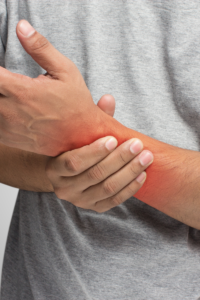
People often contact us after being made to feel their injury is “minor”, or after an insurer has pushed an early offer before they’ve had a proper chance to understand recovery and future symptoms. Soft tissue injuries can be straightforward, but they can also be unpredictable. Our job is to protect you from being rushed or undervalued.
We bring:
Most importantly, we do the careful work needed to evidence a soft tissue injury properly, so the claim reflects your reality rather than assumptions.
Brian Barr Solicitors is one of the leading firms in the UK for serious injury and chronic pain.
If you’ve experienced a soft tissue injury in an accident that wasn’t your fault, you do not have to decide everything today. A short conversation can help you understand whether you have a claim, what evidence will be helpful, and how funding might work.
Making a claim does not need to feel like a fight you have to manage on your own. We start by listening carefully to what happened and how you’ve been affected, then we gather the evidence needed to prove liability and the extent of your injury. That usually includes accident evidence (reports, photographs, witness details where available), and medical evidence that sets out your symptoms, treatment needs, and prognosis. We then value the claim properly, including financial losses, and handle the negotiation with the other side. If a fair outcome cannot be reached, we are fully prepared to pursue the claim through the court process where appropriate.
You can contact the team of personal injury solicitors in Manchester at Brian Barr Solicitors for a free, no-obligation assessment. We’ll listen first, explain your options clearly, and if you choose to proceed, we’ll handle the legal side with care so you can focus on recovery.
“Soft tissue” refers to the body’s muscles, tendons and ligaments. Soft tissue injuries often happen through a sudden force or twist (like a collision, fall, or awkward lift), or through overload over time. They commonly involve sprains (ligament injuries) and strains (muscle or tendon injuries).
Soft tissue injuries can be painful and limiting even when X-rays do not show a fracture. Typical symptoms include pain, swelling, stiffness, weakness, reduced movement, and sleep disruption. Early inflammation is part of the body’s healing process, but if symptoms persist, it is important that they are properly assessed and documented.
In most cases in England and Wales, you have three years to start a personal injury claim. The three-year period usually runs from the date of the accident, but can sometimes run from the “date of knowledge” (when you first knew you had a significant injury and that it was linked to the incident). The Limitation Act 1980 sets out this approach.
There are important exceptions, including for children and some people who lack mental capacity. If you’re close to the three-year mark, it is sensible to get advice as soon as you can.
You may be able to bring a soft tissue injury compensation claim if your injury was caused (fully or partly) by someone else’s negligence, for example:
To succeed, a claim usually needs to show that someone owed you a duty of care, breached it, and that breach caused your injury and associated losses. This is the same basic legal framework we apply across road traffic cases.
Soft tissue injuries can affect almost any area of the body. In practice, we often see:
If you’re not sure whether your injury counts as “soft tissue”, do not worry. The label matters less than the evidence: what happened, what your clinicians recorded, and how the injury has affected your day-to-day life.
Soft tissue injuries often do not show on X-rays, and even MRI findings can be subtle. The key evidence is usually your medical records, a specialist medical report for the claim, and a consistent account of symptoms, treatment, and day-to-day impact. Guidance on sprains and strains recognises that these injuries can be significant even when managed without hospital treatment.
Yes. Many soft tissue claims after RTAs involve whiplash-type neck and back symptoms. Since 31 May 2021, certain RTA soft tissue injury claims are affected by reforms including medical evidence requirements and tariff-based damages in some cases. The right route depends on the injury picture and the value of the claim, so early advice helps prevent under-settlement.
You may still be able to claim. This is known as contributory negligence, and compensation can be reduced to reflect your share of responsibility rather than removing your claim entirely.
Absolutely. If you feel your injury is being underestimated, you are being rushed to settle, or communication has broken down, we can often help you transfer your claim and take over the work with as little stress as possible.
Many of our soft tissue injury claims are funded through a No Win No Fee agreement, also called a Conditional Fee Agreement (CFA). This allows you to pursue a claim without paying legal fees upfront. If the claim does not succeed, you generally do not pay our fees.
If the claim succeeds, some fees including a “success fee”, may be deducted from your compensation, but it is capped by law and our agreement.
We explain funding clearly at the outset so you know where you stand, and we keep things transparent throughout.
“Soft tissue” refers to the body’s muscles, tendons and ligaments. Soft tissue injuries often happen through a sudden force or twist (like a collision, fall, or awkward lift), or through overload over time. They commonly involve sprains (ligament injuries) and strains (muscle or tendon injuries).
Soft tissue injuries can be painful and limiting even when X-rays do not show a fracture. Typical symptoms include pain, swelling, stiffness, weakness, reduced movement, and sleep disruption. Early inflammation is part of the body’s healing process, but if symptoms persist, it is important that they are properly assessed and documented.
In most cases in England and Wales, you have three years to start a personal injury claim. The three-year period usually runs from the date of the accident, but can sometimes run from the “date of knowledge” (when you first knew you had a significant injury and that it was linked to the incident). The Limitation Act 1980 sets out this approach.
There are important exceptions, including for children and some people who lack mental capacity. If you’re close to the three-year mark, it is sensible to get advice as soon as you can.
You may be able to bring a soft tissue injury compensation claim if your injury was caused (fully or partly) by someone else’s negligence, for example:
To succeed, a claim usually needs to show that someone owed you a duty of care, breached it, and that breach caused your injury and associated losses. This is the same basic legal framework we apply across road traffic cases.
Soft tissue injuries can affect almost any area of the body. In practice, we often see:
If you’re not sure whether your injury counts as “soft tissue”, do not worry. The label matters less than the evidence: what happened, what your clinicians recorded, and how the injury has affected your day-to-day life.
Soft tissue injuries often do not show on X-rays, and even MRI findings can be subtle. The key evidence is usually your medical records, a specialist medical report for the claim, and a consistent account of symptoms, treatment, and day-to-day impact. Guidance on sprains and strains recognises that these injuries can be significant even when managed without hospital treatment.
Yes. Many soft tissue claims after RTAs involve whiplash-type neck and back symptoms. Since 31 May 2021, certain RTA soft tissue injury claims are affected by reforms including medical evidence requirements and tariff-based damages in some cases. The right route depends on the injury picture and the value of the claim, so early advice helps prevent under-settlement.
You may still be able to claim. This is known as contributory negligence, and compensation can be reduced to reflect your share of responsibility rather than removing your claim entirely.
Absolutely. If you feel your injury is being underestimated, you are being rushed to settle, or communication has broken down, we can often help you transfer your claim and take over the work with as little stress as possible.
Many of our soft tissue injury claims are funded through a No Win No Fee agreement, also called a Conditional Fee Agreement (CFA). This allows you to pursue a claim without paying legal fees upfront. If the claim does not succeed, you generally do not pay our fees.
If the claim succeeds, some fees including a “success fee”, may be deducted from your compensation, but it is capped by law and our agreement.
We explain funding clearly at the outset so you know where you stand, and we keep things transparent throughout.
Read more about how we support client throughout the UK to claim compensation for their injuries or chronic pain conditions. Brian Barr Solicitors consistently achieves great results and high compensation amounts.
To start your claim, simply complete the form below and we will be in touch shortly.